Ticks are a growing concern across Ohio, including Lake, Geauga, and surrounding counties. This page shares practical, prevention-focused information and what to watch for.
Educational information only. For medical advice, diagnosis, or treatment, talk to your healthcare provider.
Brush Away is based in Kirtland, Ohio and serves properties across Northeast Ohio. As ticks spread, many property owners are looking for ways to reduce tick habitat around homes, trails, fence lines, and field edges.
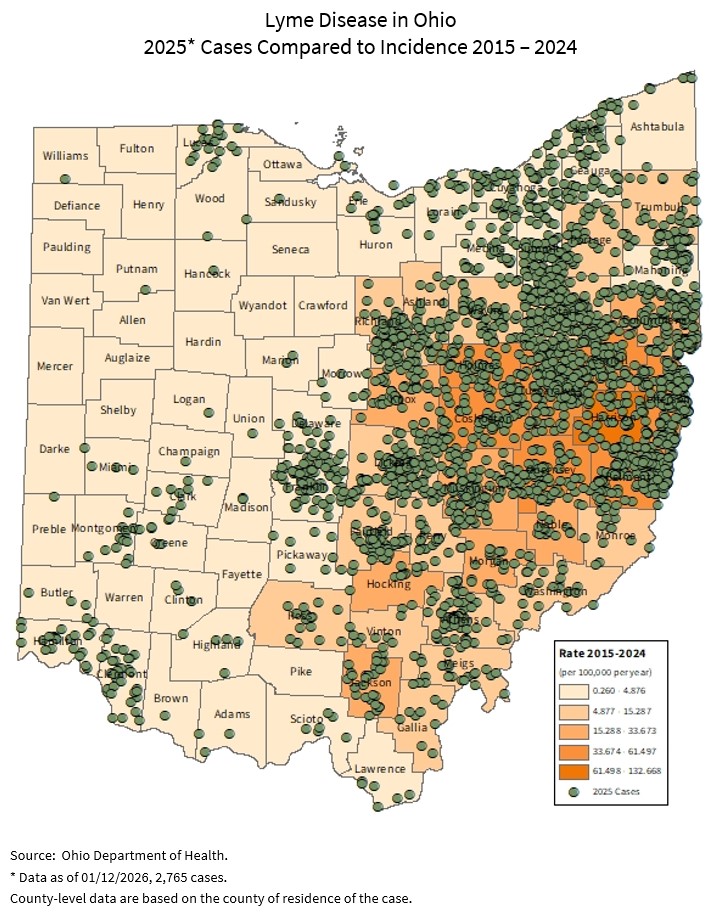
Below you’ll see Ohio tick information resources and a county-level map highlighting Lyme disease activity across the state.
Lyme disease is caused by bacteria that can be transmitted through the bite of an infected tick. In Ohio, the blacklegged tick (deer tick) is the primary concern for Lyme disease transmission.
Tick risk is often higher in areas with dense brush, leaf litter, and shaded, humid edges where ticks can avoid drying out.
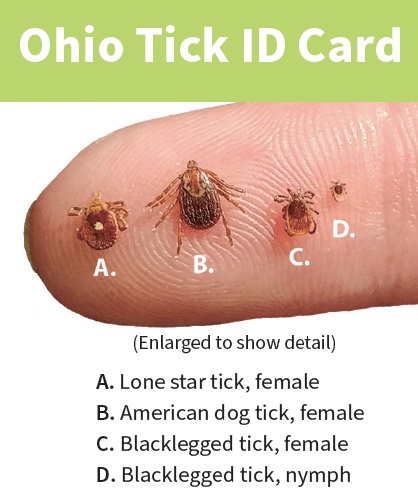
Deer tick (blacklegged tick): Can carry the bacteria that causes Lyme disease. These ticks are small and can be easy to miss.
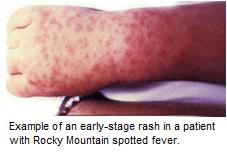
American dog tick: Can potentially transmit Rocky Mountain spotted fever (RMSF). Any tick bite that leads to fever, rash, or worsening symptoms should be taken seriously.
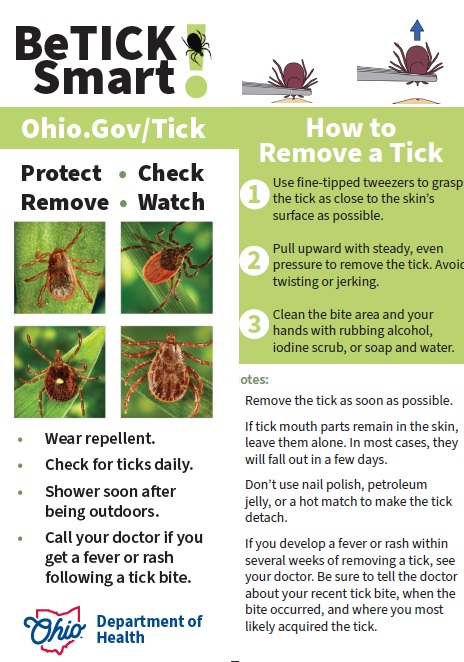
If you find a tick attached, removing it promptly and correctly can reduce risk.
Smart habits help reduce risk:
The American dog tick can potentially transmit RMSF. If a tick bite is followed by symptoms like fever, headache, or a rash, seek medical advice promptly.
This page is informational. A healthcare provider should evaluate symptoms and provide diagnosis/treatment.
Ticks tend to thrive where there is dense vegetation, shaded edges, and leaf litter that stays moist. Many property owners reduce tick-friendly areas by opening up sunlight and airflow along trails, fence lines, and woodland edges.
Interested in habitat-focused clearing? See our Services or use the Online Estimator for a ballpark range.